

-
Delivery information
Free shipping at 100€ within Germany*
Shipping costs and delivery

-
Payment options

Free shipping at 100€ within Germany*
Shipping costs and delivery
The gingerbread has evolved over many centuries and is today a very traditional Christmas baked good. Although it is now often produced using modern manufacturing methods, the recipes have been passed down as closely guarded family secrets over the centuries and have changed very little since the Middle Ages.
The most important components of gingerbread are the precious nuts and exotic spices. In addition, honey, candied lemon peel, and candied orange peel give the spiced cake a sweet and fruity note. Depending on the recipe and quality grade, flour, marzipan, sugar, or eggs may also be added.
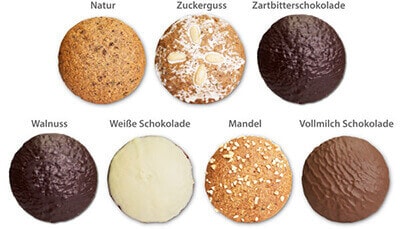
By varying the composition and proportions of the individual ingredients, a wide variety of moist gingerbread types can be baked. Depending on taste, gingerbread with a particularly high almond content or extra walnuts can be made. Another variation is achieved through different glazes, such as dark chocolate, milk chocolate, or sugar glaze. Since baking and glazing take time that is often not available, you can conveniently buy gingerbread online from us all year round, freshly baked straight from the oven.
|
|
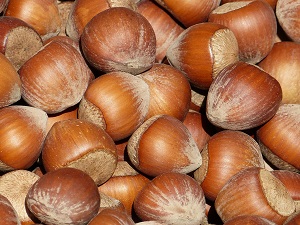
The popular hazelnut has been on our menu since prehistoric times and has long been associated with many positive properties. For example, it is said to be good for memory and contains a wide range of valuable nutrients. In addition to the “classic” hazelnut plant, the “Lamberts hazelnut” also belongs to the hazelnut family. Since they are biologically very closely related, both are officially considered hazelnuts. The largest producer of hazelnuts by far is Turkey, with a market share of around 70%. The healthy hazelnut is used in many recipes, such as Nutella, nougat, or hazelnut liqueur. |
|
|
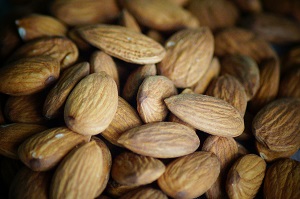
Almonds are divided into sweet almonds, bitter almonds, and cracked almonds. The latter is very popular as a snack during the Christmas season because its shell is easy to open. Bitter almonds, on the other hand, are hardly available in stores because they are toxic in their raw state and— as the name suggests— extremely bitter. For food production, almost exclusively sweet almonds are used and they are found in many recipes such as marzipan, almond milk, or roasted almonds. With a market share of around 66%, the USA—especially California—is by far the largest almond producer. |
|
|
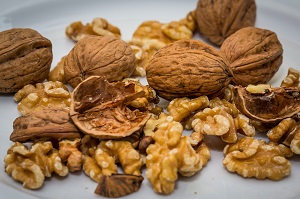
Walnuts are especially popular at Christmas, where they are traditionally given as gifts on St. Nicholas Day or used as decoration. They are also an important ingredient in many holiday recipes, such as cookies or praline brittle. Thanks to their high content of omega-3 fatty acids and vitamin B6, walnuts are not only heart-healthy but also support concentration. However, they are relatively high in calories but very filling. Walnut wood is considered extremely valuable and highly sought after. Today, the USA—especially with the well-known “California walnut”—is the world’s largest exporter of nuts, with an annual export volume of around 160,000 tons. |
The most characteristic feature of gingerbread is undoubtedly its special gingerbread spice blend. Although the exact recipes and their contents are strictly guarded secrets of gingerbread bakers, the main ingredients are usually the same:
|
|
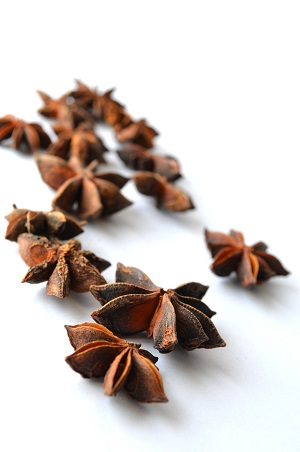
Native anise was already popular in ancient Greece around 1500 BC and is mainly cultivated in the Mediterranean region. Today, many recipes use not only native anise but also star anise from China, for example in sweets (e.g. “Anis de Flavigny candies”) as well as in spirits such as ouzo or absinthe. Because anise contains many essential oils, it is also a popular medicinal plant and is often used in tea together with fennel and caraway. It helps with coughs and digestive issues. |
|
|
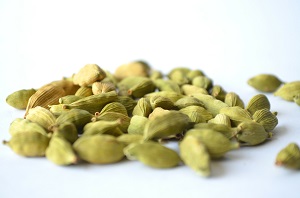
Cardamom is a plant in the ginger family and is widely used as a spice in Asia, where it is also said to have an aphrodisiac effect. In Europe, however, its sweet-spicy aroma is especially appreciated in Christmas recipes. Due to the healing properties of its essential oils, cardamom is also often used for tea. |
|
|
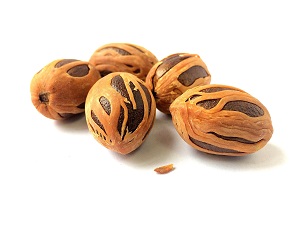
Mace, which in the Middle Ages was mistakenly thought to be the “nutmeg blossom,” is the dried outer covering of the nutmeg. It has a similar but milder flavor. The dried shell is ground and used not only in Christmas baking but also in meat dishes and sausages such as bratwurst. |
|
|
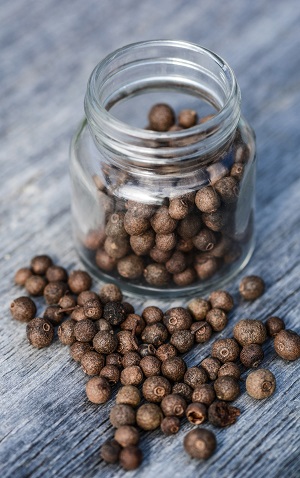
Allspice, also known as Jamaican pepper, is made from the unripe dried fruit of the plant and is often called the “four-spice” because its flavor resembles pepper, cinnamon, nutmeg, and cloves all at once. In addition to gingerbread, allspice is also used in the production of essential oil for perfumery. With over 60% market share, Jamaica is the world’s largest exporter of allspice. |
|
|
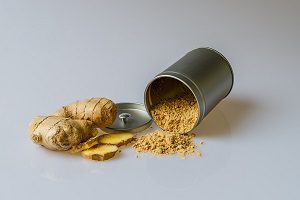
The healthy yellow powder is made from dried ginger root, which is mainly grown in India. Due to its beneficial properties, ginger is used in many recipes. Ginger tea not only helps with colds but is also said to support weight loss. It is also used in soups and spice blends. |
|
|
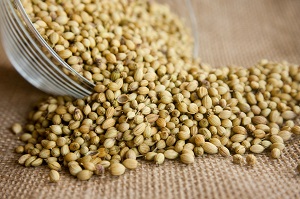
Coriander is a spice plant where both the leaves and seeds can be used. While the leaves are mainly used in Asian cuisine, coriander seeds are more popular in Europe. Its aromatic flavor is valued in many spice blends. It also has healing properties and is often used in tea for digestive issues. |
|
|
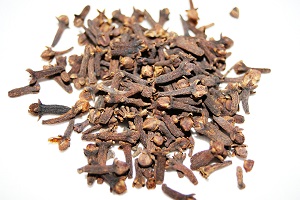
Cloves belong to a large plant family with nearly 600 species and are popular ornamental plants. Some varieties, such as the clove spice, also have medicinal effects and are used for common ailments such as toothaches. The dried buds are ground and used in spice blends and teas. |
|
|
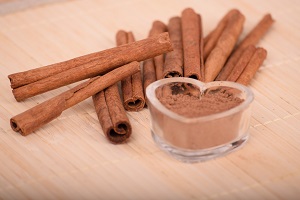
Cinnamon is made from the dried bark of cinnamon trees and is one of the oldest spices in the world. It has been used since 2000 BC for its healing properties. There are different types, such as Ceylon cinnamon and Cassia cinnamon. Cinnamon is the most important Christmas spice but is also used year-round in many recipes. |
Why not try making your own gingerbread spice mix, also known regionally as “peppercake spice”! Alternatively, you can of course order gingerbread spice online.
|
|
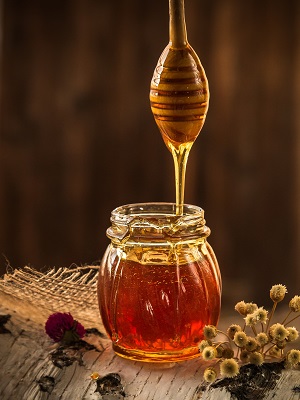
While the spices give gingerbread a slightly spicy note, honey balances it with its natural sweetness. Beekeeping dates back over 9,000 years, as shown by ancient cave paintings. The word “honey” comes from an old Germanic term meaning “gold-colored.” In the Middle Ages, honey was considered a sacred healing remedy, and products made from it—such as gingerbread—were believed to have healing properties. Today, honey is known to help relieve symptoms such as sore throats. Manuka honey from Australia is especially popular. |
|
|
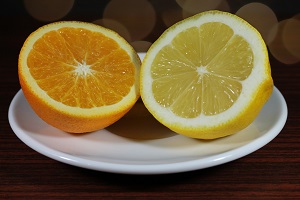
Candied lemon peel (citronat) and candied orange peel are made from the skins of lemons and oranges. The peels are cut into small pieces and candied by repeatedly soaking them in warm sugar water and then drying them. This process significantly reduces moisture and increases sugar content to over 70%, making them much more durable. In the former GDR, a substitute called “Kandinat T” was developed from green tomatoes due to a shortage of citrus fruits, and carrots were used as an alternative for orange peel. Some enthusiasts still swear by these products today! |
The candied fruits give gingerbread its characteristic fruity note. While modern production uses specially bred citrus varieties with thick peels and little pulp, candied peel can also be easily made at home using regular lemons and oranges.